🏗️ AI for Foundation Repair Specialist
AI for Foundation Repair Specialists - Pier Proposals, Permit Follow-Ups & Lift-Week Updates
Foundation repair is inspection-heavy and lift-intensive. i10X handles repeatable customer comms – call routing from the pier line, pier proposal drafts, engineering follow-ups, daily lift updates – so you can stay on crack mapping, pier installs, and crew production.
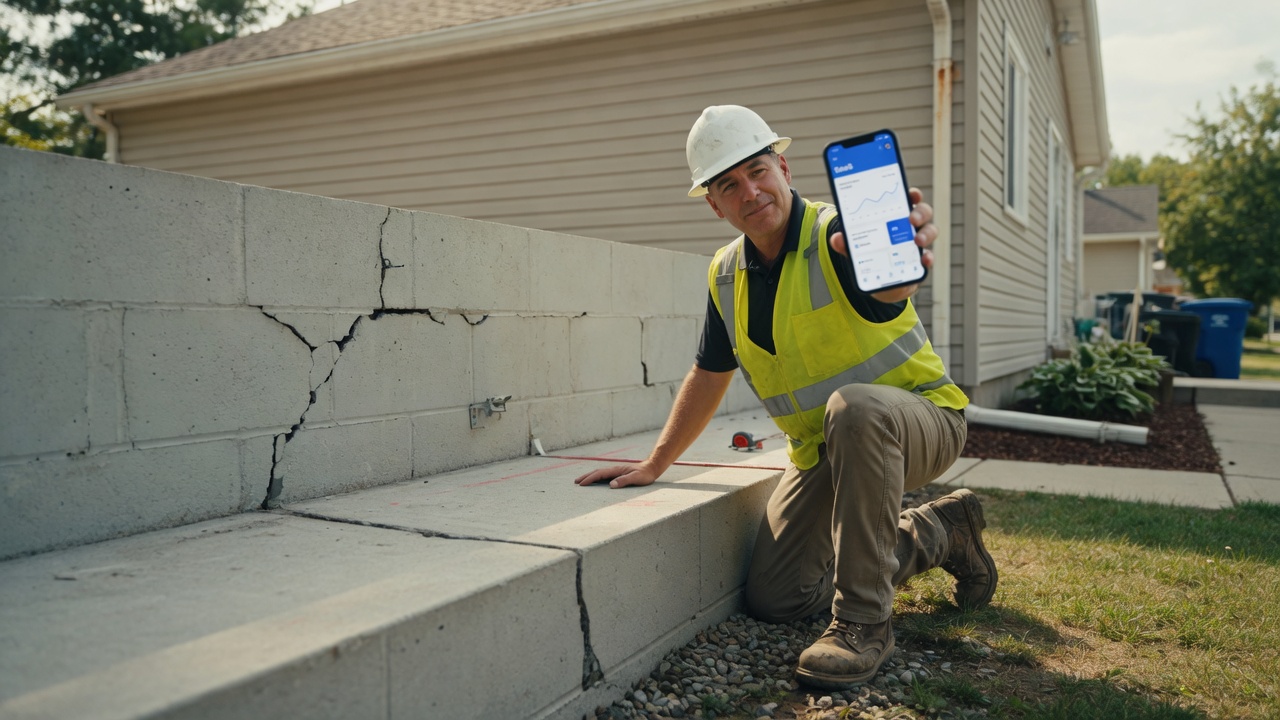
Inspection or lift inquiry
Homeowner, realtor, or inspector referral asks about cracks or pier scope
Agent sorts it
New inspection, lift-week status, engineering follow-up, or referral lead?
You get a summary
Short brief or booked inspection on your calendar.
If you are looking at AI for a foundation repair company, the useful question is not whether another app can replace your floor level equipment or pier estimating software. It is whether customer comms – engineering follow-ups, pier proposal language, daily lift updates during multi-day jobs – can run without pulling you out from under the house or into the office at 9pm.
Three patterns that show up in pier estimating guides and foundation inspection compliance sources:
- Pier count fuzzy until inspection. Phone quotes on pier count miss what an inspection reveals: crack map patterns, floor level readings, soil conditions, and whether helical or push piers fit the lift plan. Titan and similar pier estimating guides put scope variation near the top of pre-job friction, not because estimators skip steps, but because homeowners want a written pier count before they authorize mobilization. When depth allowance and lift lines were never in the proposal, margin erodes and sign-off stalls.
- Engineering and permit follow-ups. Structural engineering letters and city permits can bounce for weeks while pier crew capacity sits idle. Specialty Foundation Repair and similar inspection guides note that engineering approval and AHJ sign-off often gate install start. While your estimator chases a stamped letter, permit status emails, engineer callbacks, and homeowner check-ins stack in threads nobody can return from under a crawlspace beam.
- Lift-week homeowner updates. Multi-day lift jobs create an expectation for daily progress notes – pier count installed, floor recovery readings, and what happens tomorrow. Dalinghaus and trade writeups on foundation repair operations both flag that undocumented lift progress drives anxiety calls and dispute volume. When field notes wait in a truck until evening, homeowners and realtors fill the gap with callback calls during active lift week.
You’ve heard you need to “do something with AI.” Fair. Here’s what that looks like for a one-van outfit, not a corporate IT project.
Help with the comms layer, not a new foundation platform
i10X connects to your phone line, Gmail, calendar, QuickBooks, and Google Docs. It can route inspection and lift-week calls from the pier line, draft pier proposals with helical and push pier lines, track engineering and permit follow-ups, and prepare daily lift updates for homeowners.
You keep Foundation Supportworks, Jobber, ServiceTitan, or whatever drives estimates and crew scheduling. i10X sits on the customer-facing side: messages, drafts, reminders. Final proposals and engineering approvals stay with you unless you choose otherwise.
One specialist told us lift season turned his inbox into a second jobsite – homeowners asking how many piers went in today, engineers bouncing revised letters, and realtor referrals mixed with helical supplier invoices. Offloading permit follow-ups and pier proposal drafts did not fix pier crew staffing – but it returned a few hours a week for inspections and lift sign-off only he could handle.
What i10X can do
What i10X can run on rules you set:
Pier-line call routing
Inspection triage, lift-week status, and crack-monitoring callbacks scoped while you are on the lift.
Pier proposal drafts
Crack map and floor level notes become proposals with helical, push pier, and depth allowance lines for your review.
Engineering and permit follow-ups
Status reminders and AHJ follow-up drafts so crews do not mobilize before the structural letter clears.
Daily lift updates
Pier progress and floor recovery notes drafted for homeowners during multi-day lift weeks.
One foundation crew, fewer surprises before pier mobilization
Not a magic lead-volume jump – just fewer tasks that pull you off the lift or into evening proposal rewrites.
- Phone quote on pier count; inspection reveals helical depth and lift plan nobody priced
- Pier crew loaded for Monday while engineering letter is still in review
- Homeowner calls mid-lift asking how many piers went in today; you are under the beam
- Inspector referral and helical supplier invoice sitting in the same unread Gmail pile
- Pier proposal with helical and depth allowance lines waiting in Google Docs the night after inspection
- Engineering follow-up draft ready; calendar hold stays tentative until stamped letter clears
- Daily lift update sent with pier count and floor recovery notes; reply says thanks, no anxiety call
- Inspector referral leads summarized at the top of Gmail with suggested inspection replies
Five common starting points for foundation repair specialists. i10X can do more once connected – these are what owners usually set up first:
Examples of what i10X can handle
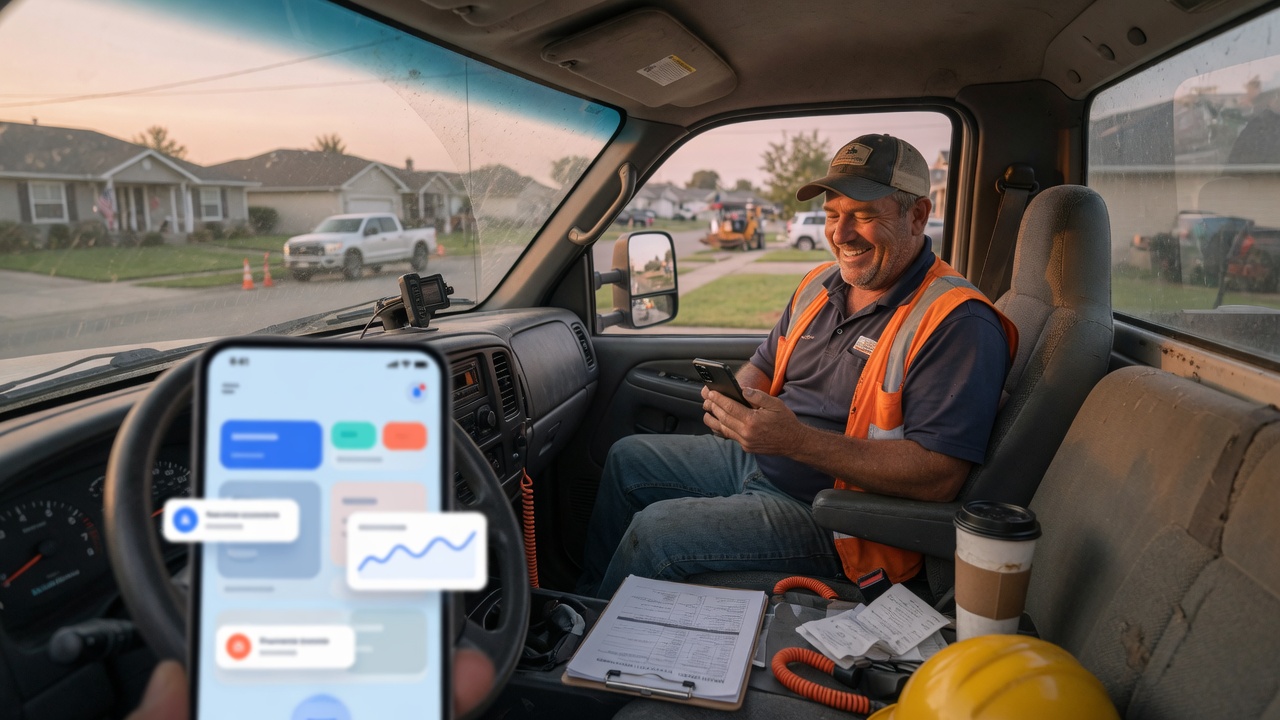
Route crack-monitoring and lift-week callback calls
A new inspection request, a realtor asking about floor levels mid-lift, and a crack-monitoring callback from last quarter need different handling – and you are under the house on pier day two. i10X can answer or take a message, ask triage questions, and offer inspection slots from your calendar while you stay with the lift crew.
3 hrssaved / week
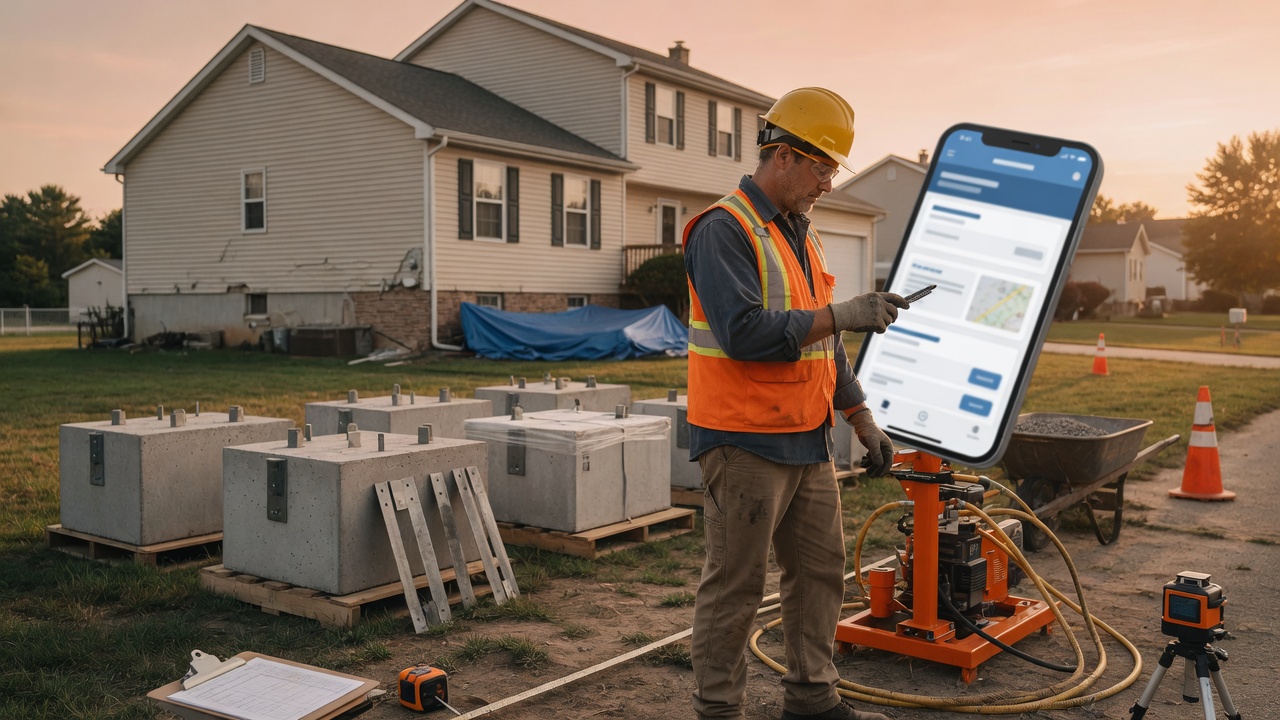
Draft pier proposals with helical and push pier lines
After an inspection walk, pier count, depth allowance, and lift plan lines often wait until evening. i10X turns crack map notes and floor level readings into a draft proposal in Google Docs – helical vs push pier options, lift schedule language, and explicit depth allowances so phone-quote gaps are priced before mobilization.
4 hrssaved / week
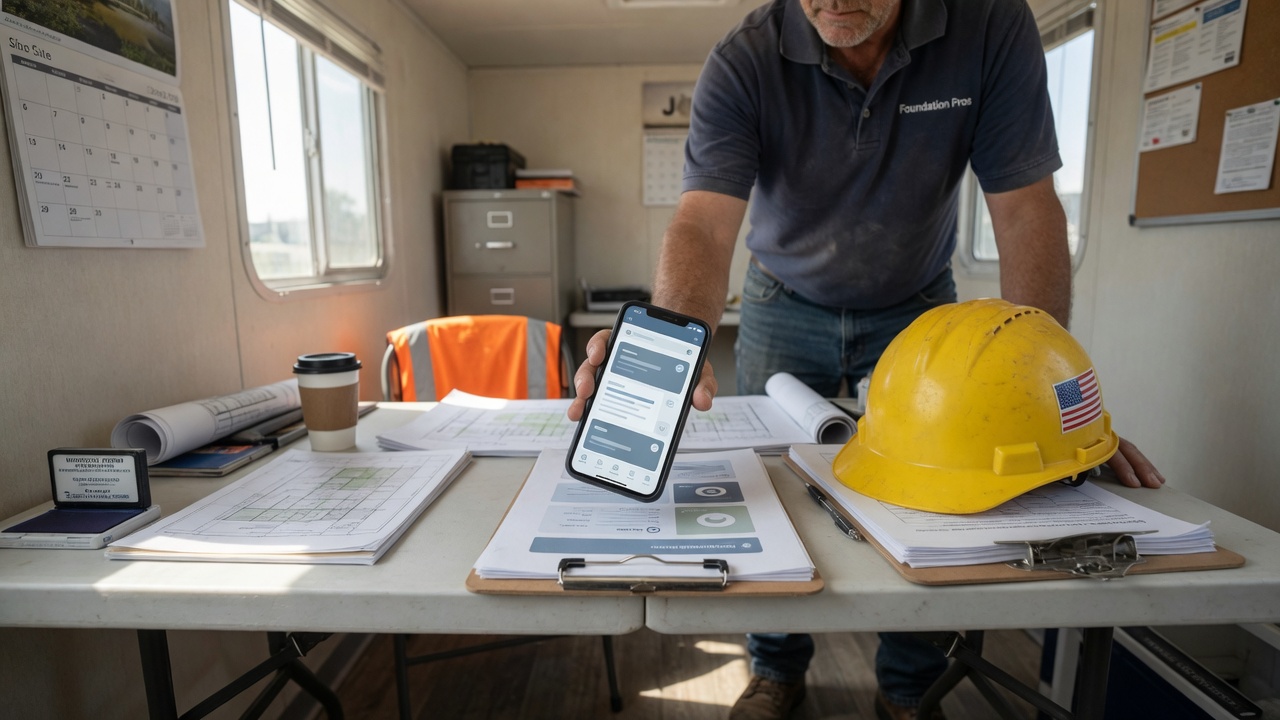
Engineering and permit status follow-ups
Structural engineers and AHJ reviewers need documented follow-up, not a generic we are waiting on the letter. i10X tracks submission dates, drafts engineer and permit status emails on the cadence you set, and logs what was sent – so pier crews are not loaded while engineering review is still open.
3 hrssaved / week
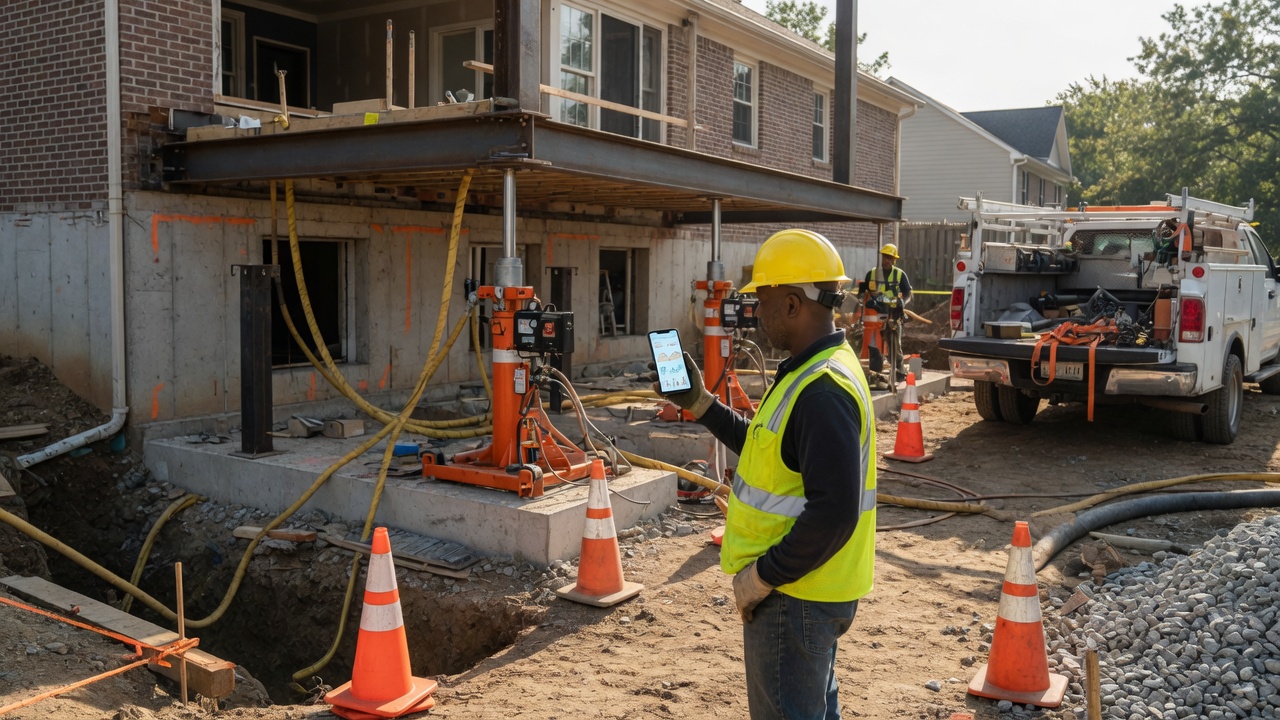
Daily lift and milestone updates to homeowners
Homeowners on a multi-day lift want pier progress and floor recovery notes in writing, not a voicemail at 8pm. i10X turns field notes into daily lift updates – piers installed today, floor level change, tomorrow's plan – so anxiety calls during lift week drop and dispute risk stays lower.
3 hrssaved / week
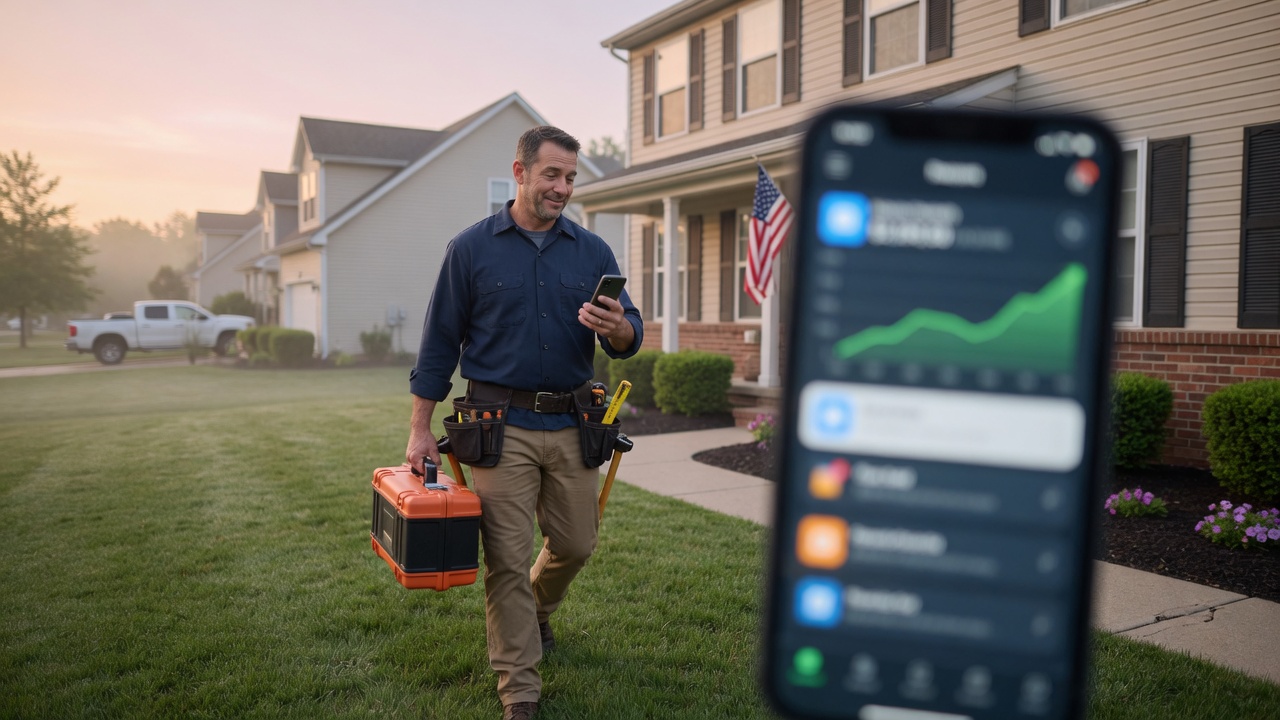
Sort inspector referral and realtor leads
Home inspector referrals, realtor pre-listing inquiries, and web form fills land in the same inbox as pier supplier invoices. i10X can label real inspection leads, draft booking replies, and ask for crack photos and floor level concern – so you open Gmail to summaries, not a mixed pile after a long day on the lift.
2 hrssaved / week
Experienced pier installers and engineering turnaround times are real constraints in this trade; i10X does not solve those. It mainly reduces the manual comms and documentation work that falls on the same person running inspections and the lift crew.
Works with your stack
No new software to learn. Phone, inbox, calendar, books, and proposal docs – where most foundation repair crews already coordinate homeowners, engineers, and pier install scheduling. i10X connects to the tools you already run:
Why foundation repair specialists choose i10X
Built around foundation repair workflows
Pier proposals, engineering follow-ups, lift-week updates – not generic same-day dispatch for every trade.
Learns how your company talks
Tone for a new inspection estimate vs a lift-week progress update can differ; you set that during setup.
You approve what matters
Proposals, engineering replies, and customer-facing messages can stay ask-first until you trust the defaults.
Getting started takes about 10 minutes
No tech skills, no setup fee, no new app to figure out. Three steps and you’re live:
Connect your tools
Click to link your phone line, inbox and calendar – the same secure login your bank uses. Nothing to install.
Answer 3 questions
Tell it how you talk to customers and what it’s allowed to do. It learns from your past quotes and messages.
It starts working
From minute one it answers calls and drafts replies for your approval. Most foundation repair specialists see a booked job the same day.
What usually changes first
Most specialists start in ask-first mode: drafts and summaries land on your phone, you edit or send. That alone cuts down evening proposal-email sessions.
Once engineering follow-ups and pier proposal templates run on a schedule you defined, homeowners and realtors stop filling the gap with check-in calls during the permit and lift window.
None of this replaces a crew lead or estimator. It clears comms and documentation work off the owner so crack mapping, pier production, and engineering sign-off get more of the week.
Customer-facing actions need your OK by default
Proposal drafts, engineering replies, and outbound messages can wait for approval. Turn on auto-send for specific message types once the wording matches your company.
Your data stays in your tools. We do not train on your proposal files or customer threads. Revoke access in one step.
I still walk every crack pattern and floor level before we sign a pier count. But I am not rebuilding helical and push pier allowance language from scratch at night anymore, and homeowners on a three-day lift get a progress note without me calling from the truck between pier sets. Inspection requests get routed so I am not climbing out from under the house for a realtor callback.– Derek Holloway, Dallas, TX · 16 years specializing in residential pier and foundation lift work
Frequently asked questions
Can it route lift-week status calls separately from new inspection requests?
Active lift-week status inquiries get a different intake script than new crack inspection requests or realtor pre-listing calls. i10X routes each type per your rules – lift-week callbacks log progress questions for your summary, new inspections book slots from your calendar.
Will it add helical and push pier lines to my proposals?
You send field notes after the inspection: crack map, floor level readings, soil notes, lift target. i10X drafts a proposal in Google Docs with explicit lines for pier count, helical vs push pier options, depth allowance, and lift schedule language so phone-quote gaps are priced before mobilization, not argued on pier day one.
Does it track engineering letters and permit status before I schedule the crew?
You log engineer name, permit number, submission date, and target pier install window. i10X drafts follow-up messages to the engineer, AHJ contact, or homeowner and keeps calendar holds tentative until the structural letter clears – so pier crews are not loaded while engineering review is still open.
Can it turn field notes into daily lift updates during multi-day jobs?
End-of-day notes capture pier count installed, floor recovery readings, and next-day lift plan. i10X drafts a homeowner update with progress summary and milestone status. You review before send; jobs missing floor readings stay flagged on your summary.
Does it sort home inspector and realtor referral leads from supplier email?
Inspector referrals, realtor pre-listing inquiries, and helical supplier invoices often share one inbox. i10X labels real inspection leads, drafts replies with crack photo and floor level questions, and surfaces summaries at the top of Gmail so you are not digging through supplier threads after a full day on the lift.
Try it on your next pier job
Connect your tools, skim a week of drafts and summaries, and decide whether the comms load is lighter.
Start free trial