🏛️ AI for Plasterer
AI for Plasterers - Coat-Count Proposals, Cure Milestones & Delay Notices
Plaster work is cure-bound and prep-heavy. i10X handles repeatable customer comms – inquiry routing, coat-count proposal drafts, cure milestones, scope-add logs – so you can stay on the hawk, scaffold, and finish coat.
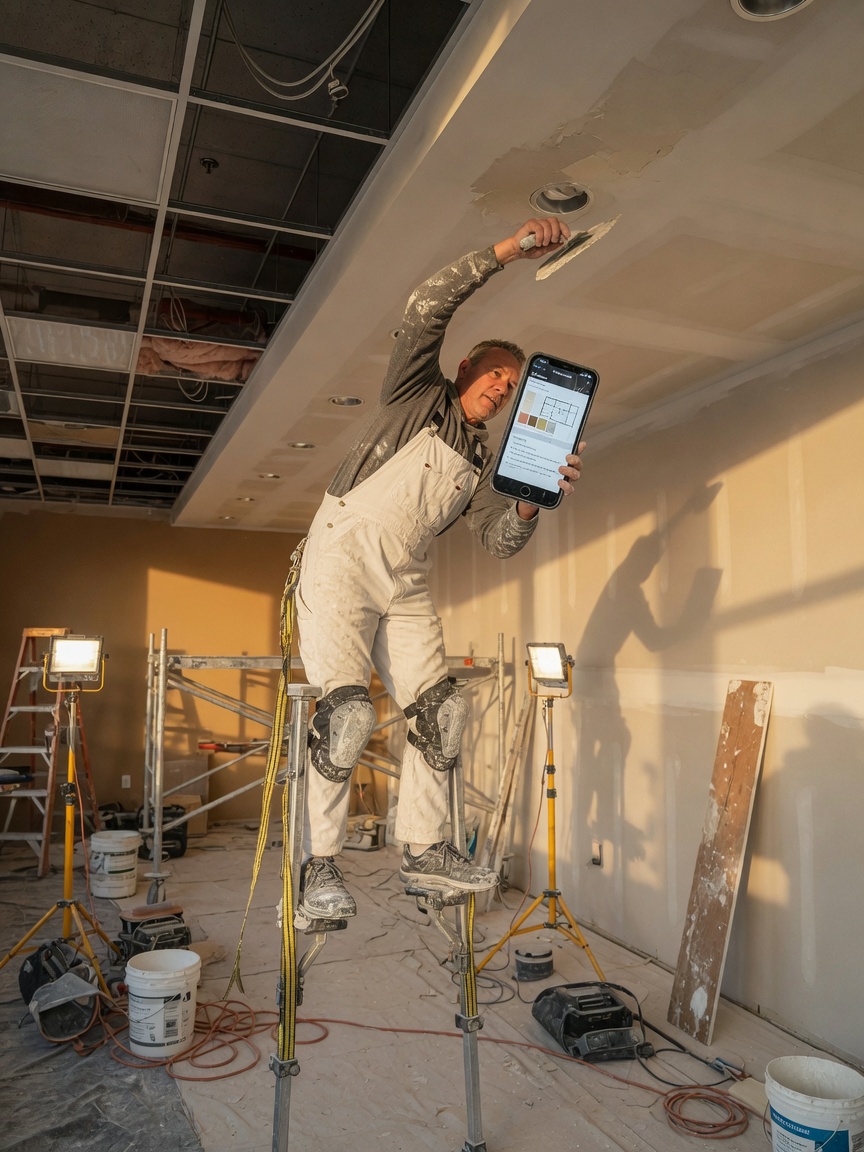
Patch or bid inquiry
Homeowner, GC, or designer asks about interior or stucco scope
Agent sorts it
New commercial bid, interior patch, or cure-window callback?
You get a summary
Short brief or booked walkthrough on your calendar.
If you are looking at AI for a plastering business, the useful question is not whether another app can replace your estimating spreadsheet or mix schedule. It is whether customer comms – inquiries, proposal follow-up, cure updates, delay notices – can run without pulling you off the scaffold or the brown coat.
Three patterns that show up in plaster drying guides and scope-dispute writeups:
- Cure days before next trade. Plaster commonly needs three to seven days to dry fully before paint, wallpaper, or the next trade can start. Humidity, temperature, and ventilation move that window. When the GC or painter books the follow-on crew before the finish coat is hard-dry, rework and blame follow – not because the plaster crew rushed, but because nobody communicated when scratch, brown, or finish cure actually completed.
- Lath and prep not in quote. A bid that assumes smooth board can turn into wire lath, bonding agent, or an extra skim thickness in the field. PCA-style scope writing puts surface prep and coat count in the proposal for a reason. When lath and prep are not priced in writing, margin disappears on the first walkthrough surprise and the homeowner or GC expects the original number to hold.
- Humidity reschedule chains. Interior sets slow in damp weather; exterior stucco stops in rain. Humidity and temperature are the primary dry-time variables on most jobs. When a cure window slips, the owner is often on stilts or a scaffold handling reschedule calls to the GC and homeowner while idle crew days still burn admin time nobody budgeted for.
You’ve heard you need to “do something with AI.” Fair. Here’s what that looks like for a one-van outfit, not a corporate IT project.
Help with the comms layer, not a new estimating system
i10X connects to your phone line, Gmail, calendar, and QuickBooks. It can route calls, draft coat-count proposals from your walkthrough notes, send cure-milestone updates during dry windows, and log scope adds before extra skim work starts.
You keep your mix ratios, supplier accounts, and whatever drives your unit pricing. i10X sits on the customer-facing side: messages, drafts, reminders. Final proposals and scope-change approvals stay with you unless you choose otherwise.
One contractor told us he lost margin on a commercial job because the bid assumed board-and-set and the field needed wire lath on every opening. Getting coat count and prep lines onto every draft, plus a cure-milestone message before the painter booked, did not fix labor shortage – but it cut the evening callback pile and the where-is-my-paint-day calls.
What i10X can do
What i10X can run on rules you set:
Inquiry routing
Patch callbacks and new bid inquiries get scoped and queued while you are on the scaffold.
Coat-count proposal drafts
Walkthrough notes become estimate drafts in Google Docs with lath, bonding, and coat count explicit.
Cure-milestone messages
Scheduled updates when scratch, brown, and finish coats reach hard-dry before the next trade books.
Scope-add logging
Extra skim, lath, and bonding requests captured as written change summaries before labor starts.
Same scaffold crew, fewer cure-day disputes
Not a magic margin fix – just fewer tasks that pull you off hawk work, brown coat, and finish passes.
- Walkthrough done Monday; proposal still silent on lath and coat count by Thursday
- Painter books Thursday while finish coat is still damp; GC calls asking who approved the date
- Humidity pushed dry time two days; homeowner and GC both waiting on a callback from the scaffold
- Extra skim approved by phone; no written scope add before the crew spreads another coat
- Draft proposal from walkthrough notes names lath, bonding, and coat count for your review Tuesday
- Cure-milestone text sent when finish is hard-dry; painter reply confirms paint day
- Humidity delay notice sent with a new window; GC and homeowner both have the updated date
- Scope add captured as a short change summary before brown coat restarts on the opening
Five common starting points for plastering contractors. i10X can do more once connected – these are what owners usually set up first:
Examples of what i10X can handle
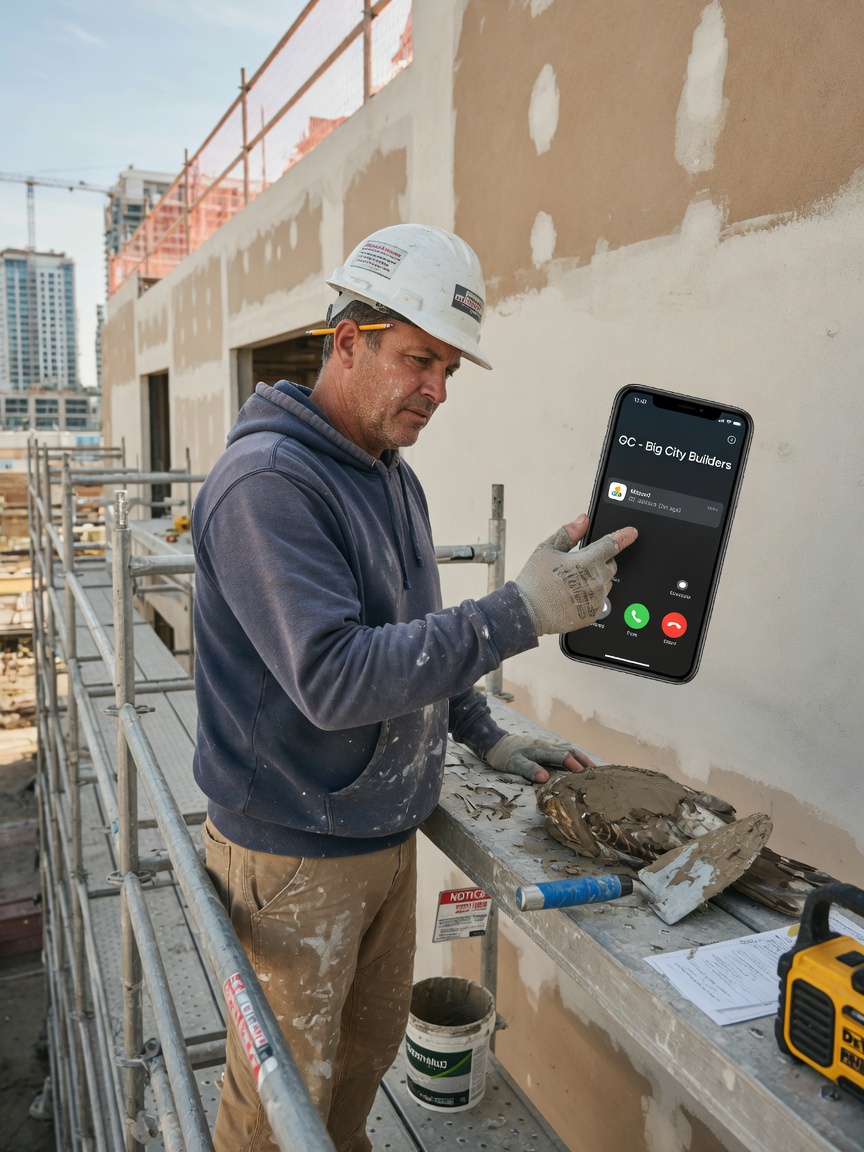
Route patch and bid calls from the scaffold
A small interior patch callback, a new commercial bid inquiry, and a GC scheduling question need different handling. i10X can answer or take a message, ask basic scope questions, and offer walkthrough slots from your calendar while you are on stilts, hawk in hand, or running a brown coat.
3 hrssaved / week
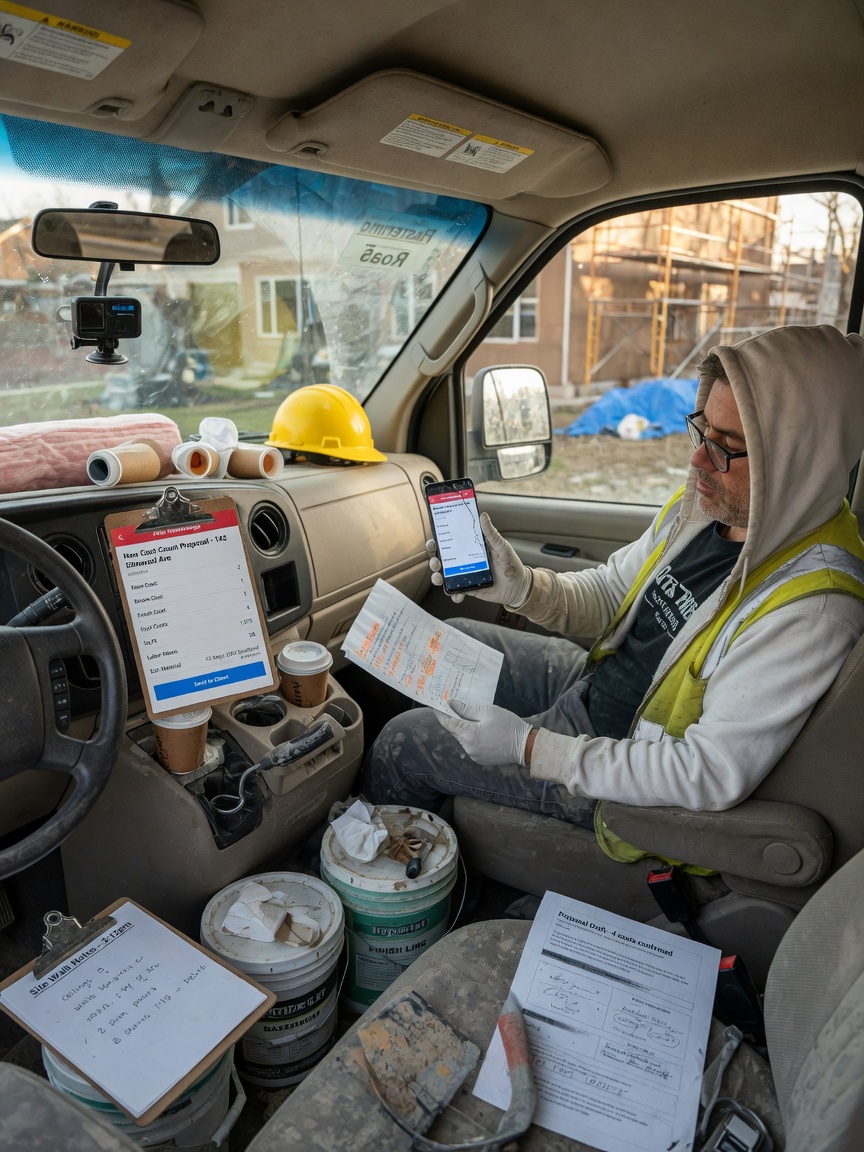
Draft coat-count proposals from walkthrough notes
Dictate or email notes after a walkthrough: substrate, lath needs, scratch and brown coats, finish thickness, stucco vs interior veneer. i10X turns them into a draft proposal in Google Docs with coat count and prep tier explicit, and can queue follow-up reminders on dates you choose.
4 hrssaved / week
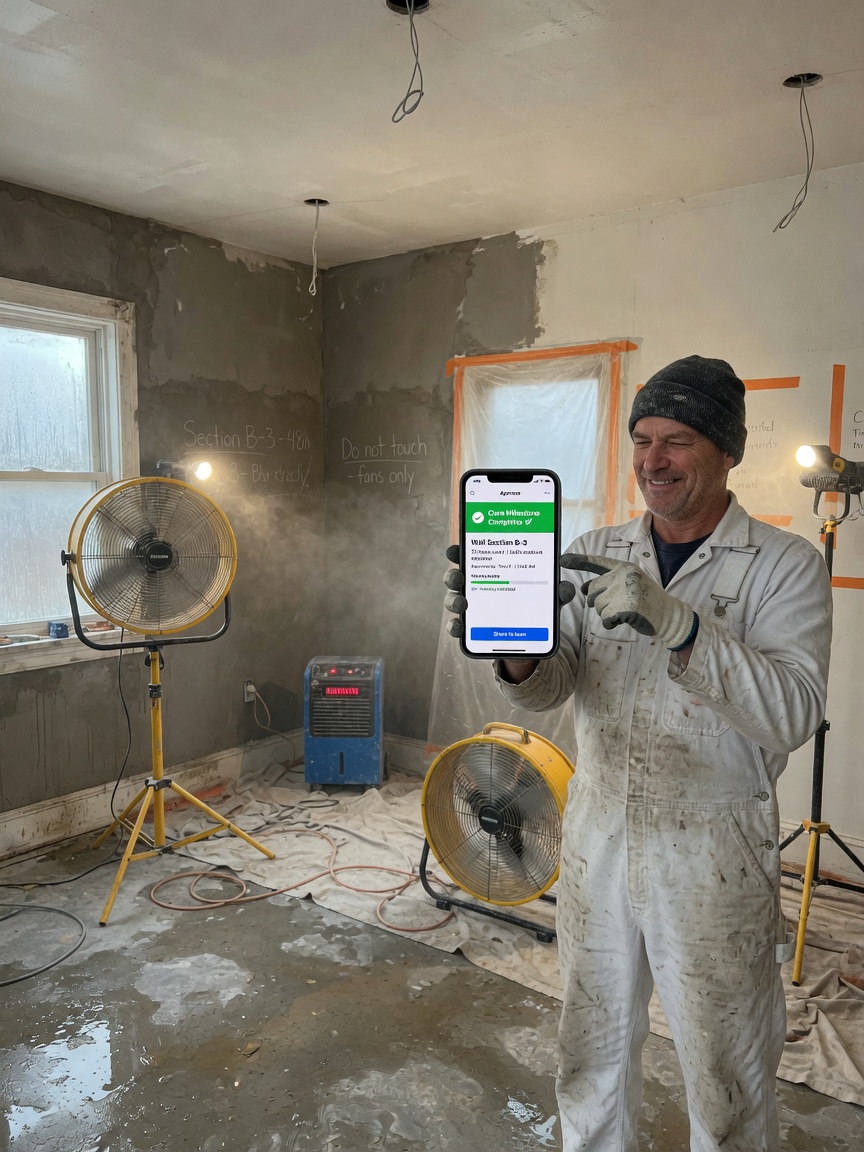
Cure-milestone and humidity delay notices
Scratch coat set, brown coat curing, finish hard-dry approaching – painters and GCs need signal before they book the next trade. i10X can send milestone emails or texts on the dates you set, draft humidity or rain delay notices, and log schedule slips so nobody books paint day on wet plaster.
3 hrssaved / week
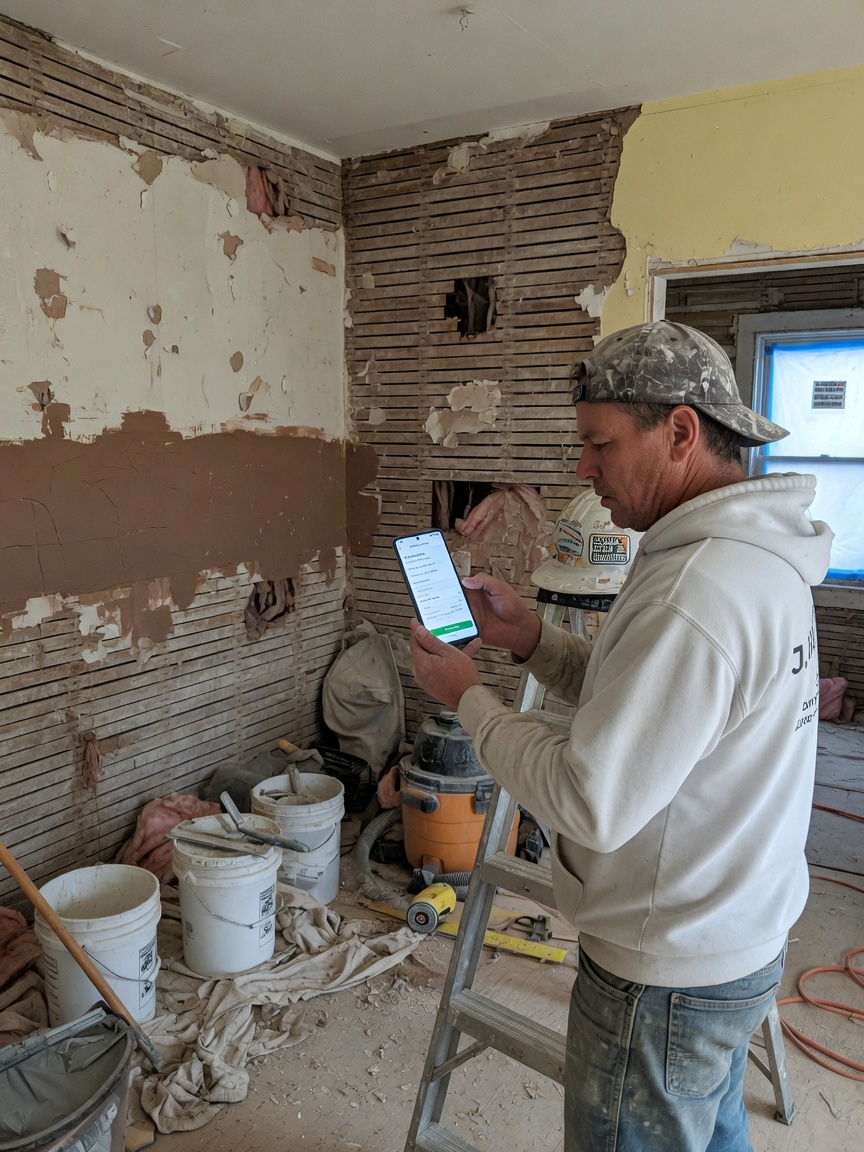
Log scope adds before extra skim coats
Field needs another skim pass, added lath on an opening, or a bonding coat the bid assumed away? i10X captures the add, drafts a short change summary with labor and material lines, and holds it for your approval before the crew spreads another coat.
2 hrssaved / week
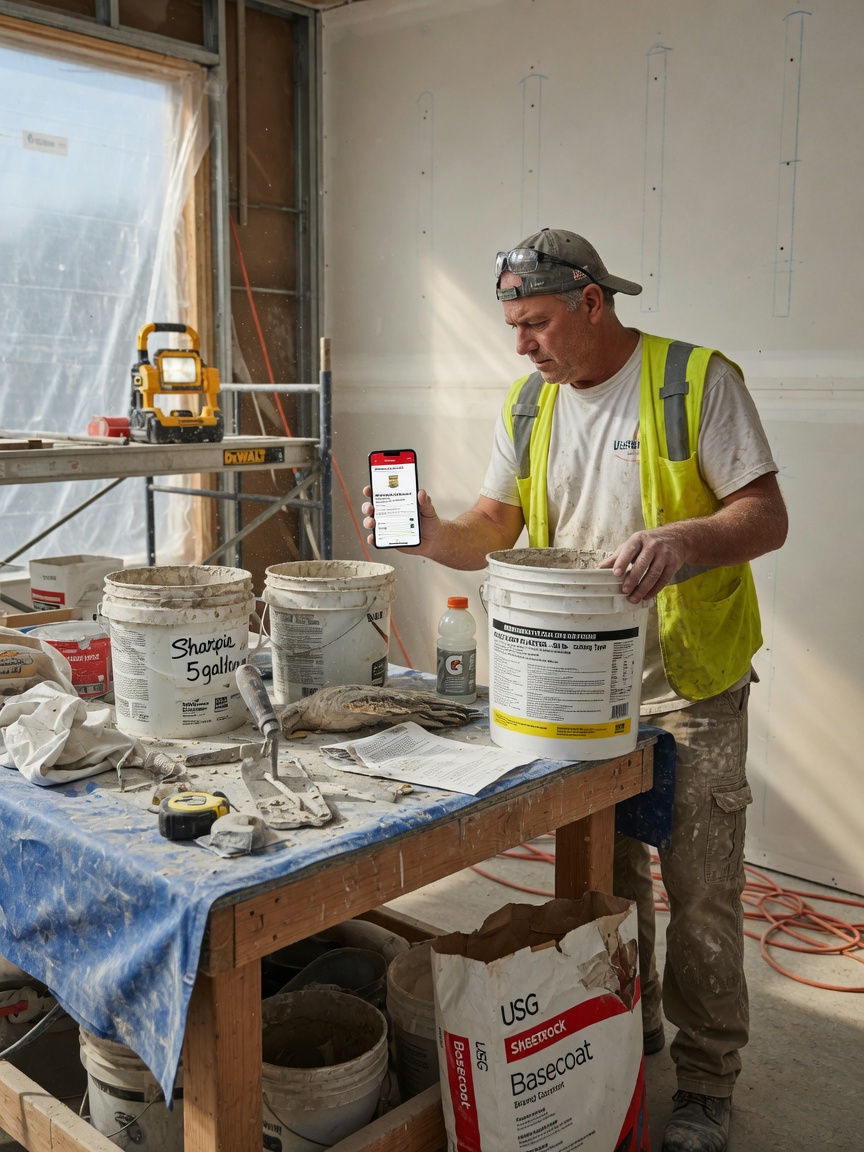
Base-coat and mesh specs on site
Ask in plain language: which base coat for this block wall, mesh weight for a stucco elevation, or dry time before finish at current humidity. i10X pulls manufacturer data and saves it to the job file so the crew does not climb down to call the office for every mix ratio.
1 hrsaved / week
Skilled plaster labor and long cure windows are real constraints in this trade; i10X does not solve those. It mainly reduces the manual comms work that falls on the same person estimating and running the crew.
Works with your stack
No new software to learn. Phone, inbox, calendar, books, and proposal docs – where most plastering contractors already run customer-facing work. i10X connects to the tools you already run:
Why plasterers choose i10X
Built around cure-bound plaster work
Scratch, brown, and finish dry windows, lath surprises, humidity delays – not same-day handyman dispatch.
Learns how your shop talks
Tone for a new commercial stucco bid vs a GC mid-cure can differ; you set that during setup.
You approve what matters
Proposals, scope adds, and customer-facing messages can stay ask-first until you trust the defaults.
Getting started takes about 10 minutes
No tech skills, no setup fee, no new app to figure out. Three steps and you’re live:
Connect your tools
Click to link your phone line, inbox and calendar – the same secure login your bank uses. Nothing to install.
Answer 3 questions
Tell it how you talk to customers and what it’s allowed to do. It learns from your past quotes and messages.
It starts working
From minute one it answers calls and drafts replies for your approval. Most plasterers see a booked job the same day.
What usually changes first
Most contractors start in ask-first mode: drafts and summaries land on your phone, you edit or send. That alone cuts down evening email sessions after long set days on the scaffold.
Once cure-milestone messages and humidity delay notices run on a schedule you defined, GCs and painters stop filling the gap with booking calls before plaster is hard-dry.
None of this replaces a skilled finisher or a lath crew. It clears comms work off the owner so estimating, site oversight, and coat quality get more of the week.
Customer-facing actions need your OK by default
Proposals, scope adds, and outbound replies can wait for approval. Turn on auto-send for specific message types once the wording matches your shop.
Your data stays in your tools. We do not train on your proposals or customer threads. Revoke access in one step.
I still approve every final proposal and scope add myself. But bid calls do not go to voicemail all afternoon anymore, and I am not rewriting the same cure-delay text from scratch at 8pm. Coat-count drafts from walkthrough notes save me a desk sitting I did not have between commercial phases.– Tony Vasquez, Denver, CO · 15 years in commercial plaster and stucco
Frequently asked questions
Will it state coat count and lath scope in every proposal?
Yes. Walkthrough notes drive the draft: scratch, brown, finish; metal lath vs board; bonding agent lines. i10X puts coat count and prep scope in writing so GCs and homeowners don't assume skim-over when you priced three coats and lath.
Can it notify the painter when brown coat cure ends?
You set cure milestones and trade handoff dates. i10X drafts the next-trade notice or homeowner update when the hold window clears – so painters don't mobilize early or sit idle because nobody sent the all-clear.
Does it reschedule when humidity pushes stucco cure past the GC date?
You note the delay and reason. i10X drafts GC and homeowner notices with the revised coat schedule and humidity hold language for your approval before the next trade books against a wet wall.
Can it log scope adds before an extra skim coat goes up?
Dictate the field add: extra ceiling skim, expanded corner bead, lath patch beyond the original elevation. i10X drafts a change summary with labor and material lines and holds it for approval before the crew loads another hawk.
Does it know three-coat exterior stucco from interior veneer on intake?
Intake questions separate them: interior vs exterior, substrate photos, elevation height, timeline. Full commercial elevations book walkthroughs; small patch callbacks and cure-window questions get a shorter script.
See if it fits your plastering business
Connect your tools, skim a week of drafts and summaries, and decide whether the comms load is lighter.
Start free trial