🌊 AI for Restoration Contractor
Claim Packets & Drying Milestones for Restoration Contractors | i10X AI
Mitigation work is documentation-heavy and adjuster-sensitive. i10X handles repeatable customer comms – emergency loss routing from the extraction line, equipment-day proposal drafts, drying milestone notices, claim packet handoffs – so you can stay on losses, production, and supplement sign-off.
Emergency loss or drying status inquiry
Homeowner, adjuster, or TPA asks about active mitigation scope
Agent sorts it
New water loss, drying callback, supplement thread, or TPA assignment?
You get a summary
Short brief or booked dispatch on your calendar.
If you are looking at AI for a water damage restoration company, the useful question is not whether another app can replace Xactimate or your drying log platform. It is whether customer comms – drying milestone updates, claim packet language, TPA intake replies, adjuster supplement threads – can run without pulling you off the extraction line or into the office at 9pm.
Three patterns that show up in restoration claims documentation and mitigation challenge writeups:
- Adjuster scope pushback on docs. Carriers scrutinize scope and pricing harder when claim volume is down – and missing photos or vague field notes give adjusters reason to dispute line items weeks after mitigation wraps. One Claim Solution flags that documentation gaps push payment into negotiation 60 to 90 days later. When your dehu days and demolition scope do not tell a clear story in the claim packet, supplements sit in adjuster review instead of clearing.
- Drying milestone update gaps. Homeowners and adjusters call for drying progress when moisture readings are not logged daily or milestone updates never leave the truck. Cotality notes that communication breakdowns during active mitigation drive disputes and repeat check-in calls. When dehumidifier placement photos and daily log dates live in separate places, the adjuster thread fills with status requests while your lead tech is still on extraction.
- Field-to-billing handoff holes. Technician notes stay on the truck; billing rebuilds scope and equipment lines from memory weeks later. One Claim Solution ties field-to-billing misalignment directly to cash-flow delays – the story that made sense on site does not survive the handoff to Xactimate. When voice notes never become draft claim packets, billing sends invoices carriers push back on because the narrative and photo captions were rebuilt too late.
You’ve heard you need to “do something with AI.” Fair. Here’s what that looks like for a one-van outfit, not a corporate IT project.
Help with the comms layer, not a new restoration platform
i10X connects to your phone line, Gmail, calendar, QuickBooks, and Google Docs. It can route calls from the extraction line, draft mitigation proposals with equipment-day lines, send drying milestone notices from moisture log dates, and turn field notes into claim packet drafts for billing.
You keep Xactimate, Encircle, DASH, or whatever drives estimates and crew dispatch. i10X sits on the customer-facing side: messages, drafts, reminders. Final claim packets and supplement approvals stay with you unless you choose otherwise.
One owner told us active-loss season turned his inbox into a second job site – adjusters asking for drying progress before readings were logged, TPAs assigning losses while the dispatcher was on extraction, and billing rebuilding scope from truck notes three weeks later. Offloading drying notices and claim packet drafts did not fix carrier review timelines – but it returned a few hours a week for loss walkthroughs only he could sign off on.
What i10X can do
What i10X can run on rules you set:
Extraction-line call routing
Emergency loss triage, drying status callbacks, and adjuster questions scoped while you are on active mitigation.
Mitigation proposal drafts
Field notes become proposals with demolition scope, equipment-day, and monitoring lines for your review.
Drying milestone notices
Homeowner and adjuster updates from moisture log dates so check-in calls do not fill the mitigation window.
Claim packet and TPA intake
Field notes become draft claim packets; TPA assignments get labeled and intake replies drafted before dispatch.
One mitigation crew, fewer documentation surprises before billing
Not a magic claim-approval fix – just fewer tasks that pull you off the extraction line or into evening supplement rewrites.
- Adjuster disputes dehu days because photo captions and scope notes never made it into the claim packet
- Homeowner calls mid-afternoon asking for drying progress – daily moisture log still on the lead tech's phone
- Billing rebuilds demolition scope from memory three weeks after mitigation wrapped
- TPA assignment and equipment rental invoice sitting in the same unread Gmail pile
- Drying milestone draft ready; homeowner and adjuster get progress notice when log dates hit
- Mitigation proposal with equipment-day lines waiting in Google Docs the night of intake
- Field voice notes become draft claim packet with photo captions for billing review
- TPA assignments summarized at the top of Gmail with suggested intake replies
Five common starting points for restoration contractors. i10X can do more once connected – these are what owners usually set up first:
Examples of what i10X can handle
Route emergency loss and status callbacks
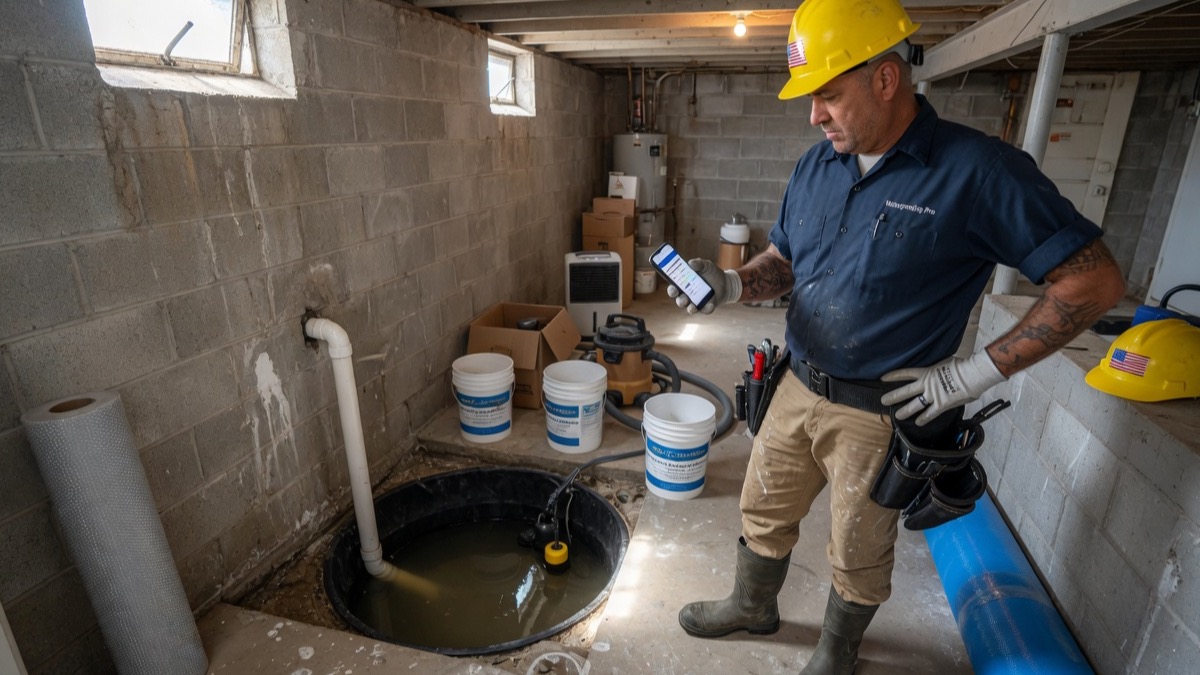
An active water loss call, a homeowner asking for drying progress, and a commercial bid inquiry need different handling – and you are on extraction with one phone line. i10X can answer or take a message, ask basic triage questions, and offer emergency dispatch or callback slots from your calendar while you stay with the crew.
3 hrssaved / week
Draft mitigation proposals with equipment lines
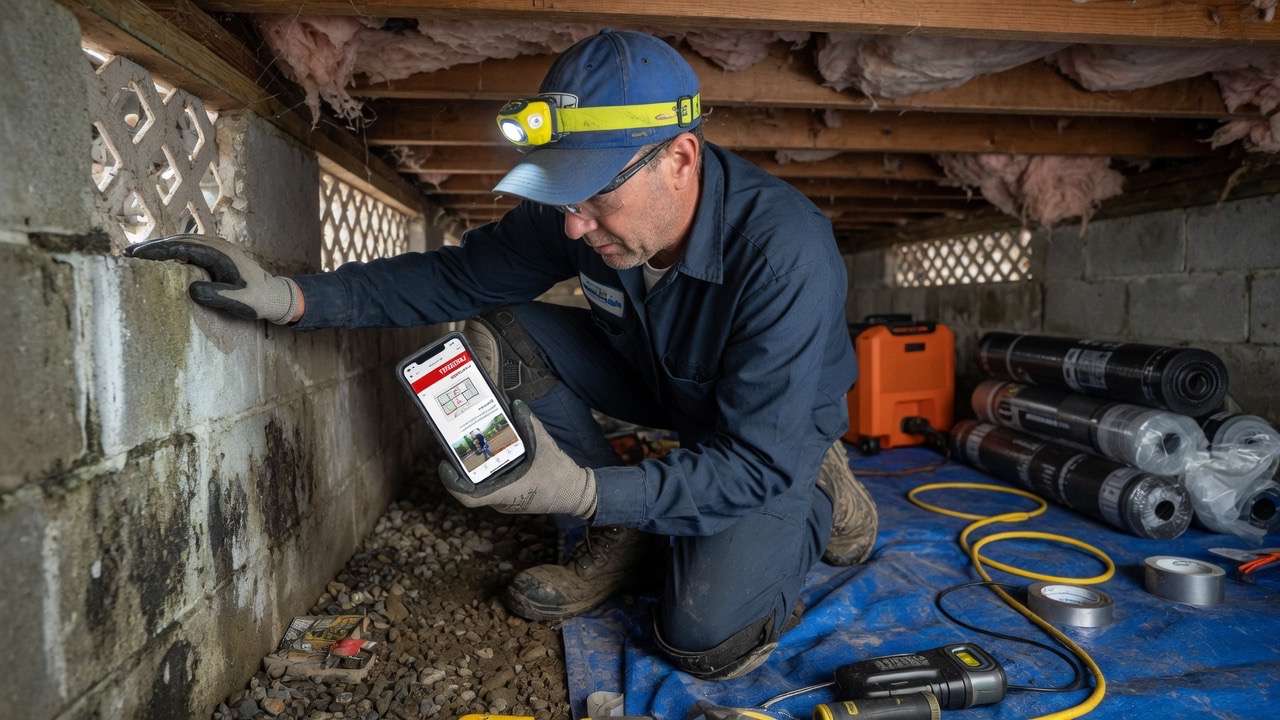
After an emergency walk-through, demolition scope, dehu placement, and equipment-day lines often wait until evening. i10X turns field notes into a draft mitigation proposal in Google Docs – affected rooms, air mover count, and explicit equipment-day and monitoring lines so adjuster scope disputes are priced before mobilization.
4 hrssaved / week
Drying milestone and adjuster progress notices
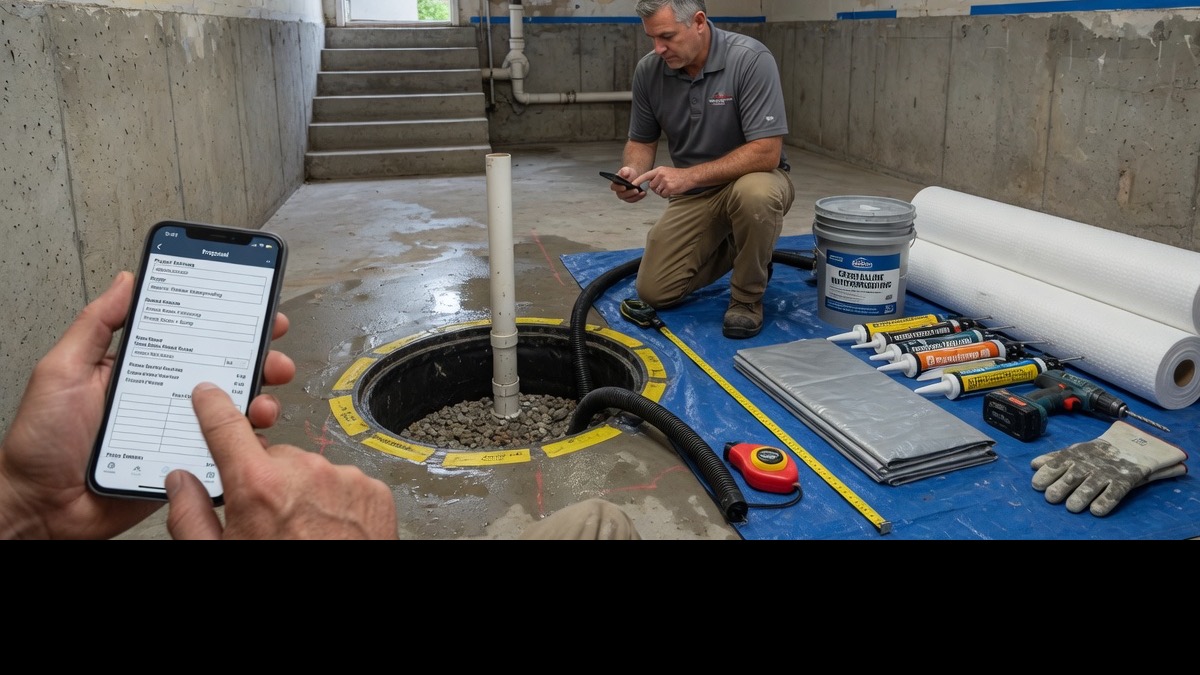
Daily moisture readings, dehu rotation, and dry-standard targets need signal before homeowners and adjusters fill the gap with check-in calls. i10X drafts drying milestone notices from the log dates you set, tracks equipment-day windows, and sends progress updates to homeowner and adjuster threads – so mitigation status does not live only on the lead tech's phone.
3 hrssaved / week
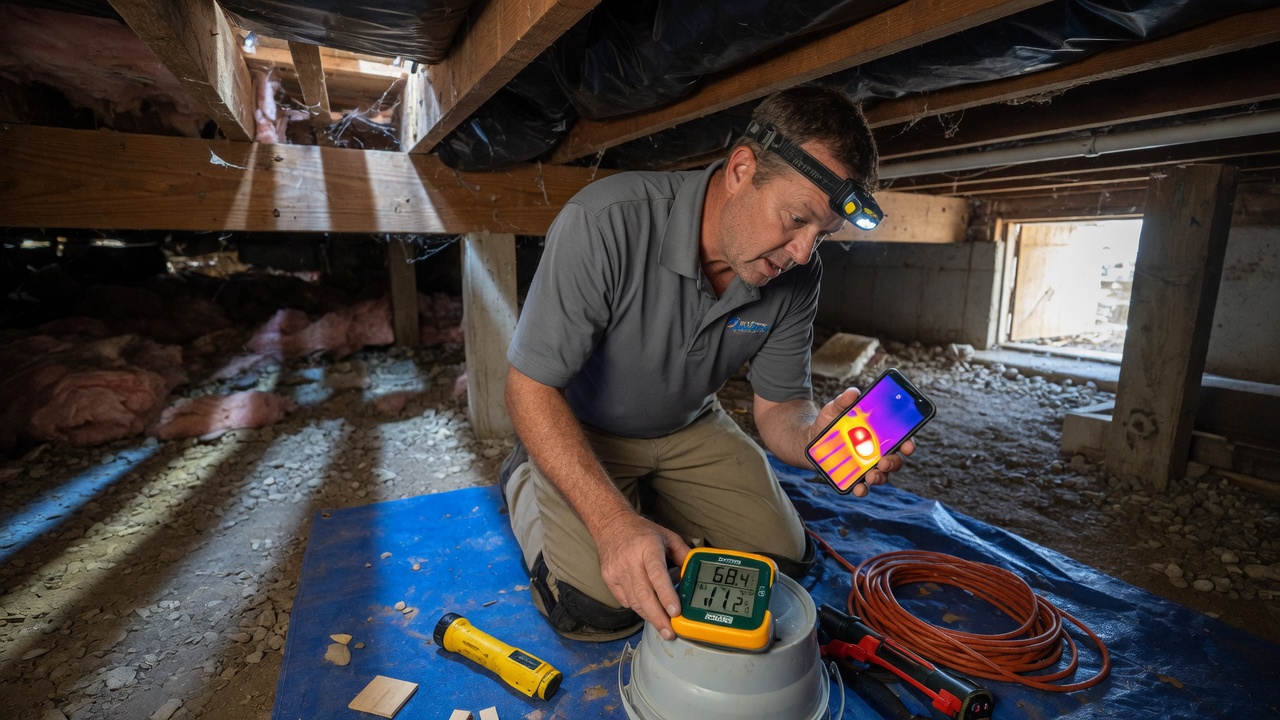
Field notes to claim packet drafts for billing
Technician voice notes, demolition photos, and equipment placement details often never reach billing in a usable claim packet. i10X turns field notes into draft claim packets in Google Docs – photo captions, scope narrative, and supplement-ready line summaries – so billing is not rebuilding the story from memory weeks after mitigation.
3 hrssaved / week
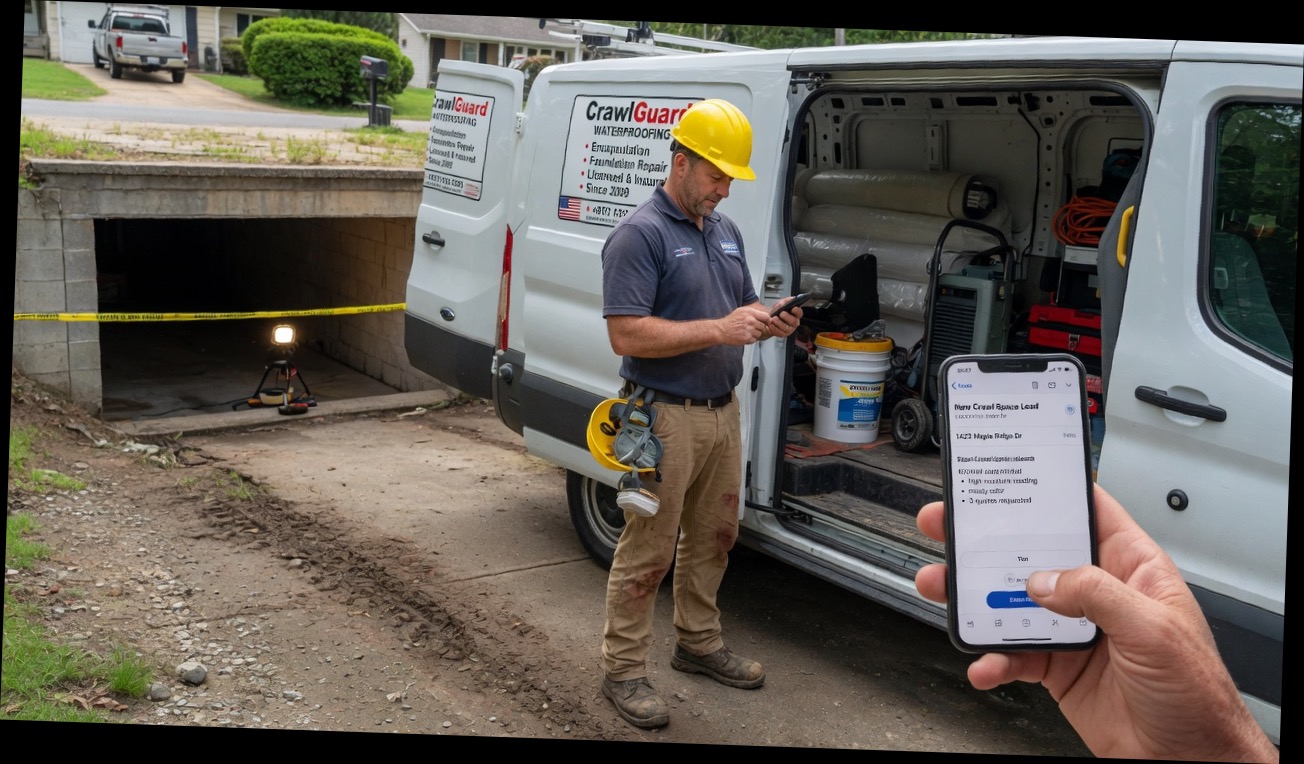
Sort TPA assignments and adjuster email
TPA loss assignments, adjuster supplement threads, and equipment rental invoices land in the same inbox as sub POs and carrier portal alerts. i10X can label new loss assignments, draft intake replies with claim-number questions, and surface adjuster threads separately – so you open Gmail to summaries, not a mixed pile after a long day on mitigation.
2 hrssaved / week
Skilled mitigation labor and carrier review timelines are real constraints in this trade; i10X does not solve those. It mainly reduces the manual comms and documentation work that falls on the same person running loss intake and the crew.
Works with your stack
No new software to learn. Phone, inbox, calendar, books, and claim docs – where most restoration shops already coordinate adjusters, TPAs, homeowners, and billing handoffs. i10X connects to the tools you already run:
Why restoration contractors choose i10X
Built around mitigation and claims workflows
Drying logs, claim packets, TPA intake, equipment-day proposals – not roofer storm claims or waterproofing callbacks.
Learns how your company talks
Tone for an emergency loss intake vs an adjuster supplement thread can differ; you set that during setup.
You approve what matters
Claim packet drafts, drying notices, and customer-facing messages can stay ask-first until you trust the defaults.
Getting started takes about 10 minutes
No tech skills, no setup fee, no new app to figure out. Three steps and you’re live:
Connect your tools
Click to link your phone line, inbox and calendar – the same secure login your bank uses. Nothing to install.
Answer 3 questions
Tell it how you talk to customers and what it’s allowed to do. It learns from your past quotes and messages.
It starts working
From minute one it answers calls and drafts replies for your approval. Most restoration contractors see a booked job the same day.
What usually changes first
Most owners start in ask-first mode: drafts and summaries land on your phone, you edit or send. That alone cuts down evening claim-packet and supplement-email sessions after long days on active losses.
Once drying milestone notices and field-to-billing claim packet drafts run on a schedule you defined, homeowners and adjusters stop filling the gap with check-in calls during the mitigation window.
None of this replaces a lead tech or a billing coordinator. It clears comms and documentation work off the owner so loss intake, production, and supplement sign-off get more of the week.
Customer-facing actions need your OK by default
Claim packet drafts, drying notices, and outbound messages can wait for approval. Turn on auto-send for specific message types once the wording matches your company.
Your data stays in your tools. We do not train on your claim files or adjuster threads. Revoke access in one step.
I still walk every active loss before we sign a mitigation scope. But I am not rebuilding equipment-day and photo caption language from scratch at night anymore, and adjusters get a drying update without me calling from the truck between dehu checks. TPA assignments get sorted so dispatch is not digging through rental invoices for the claim number.– Derek Holloway, Phoenix, AZ · 11 years in residential and commercial water damage restoration
Frequently asked questions
Can it send drying progress updates from my moisture log dates?
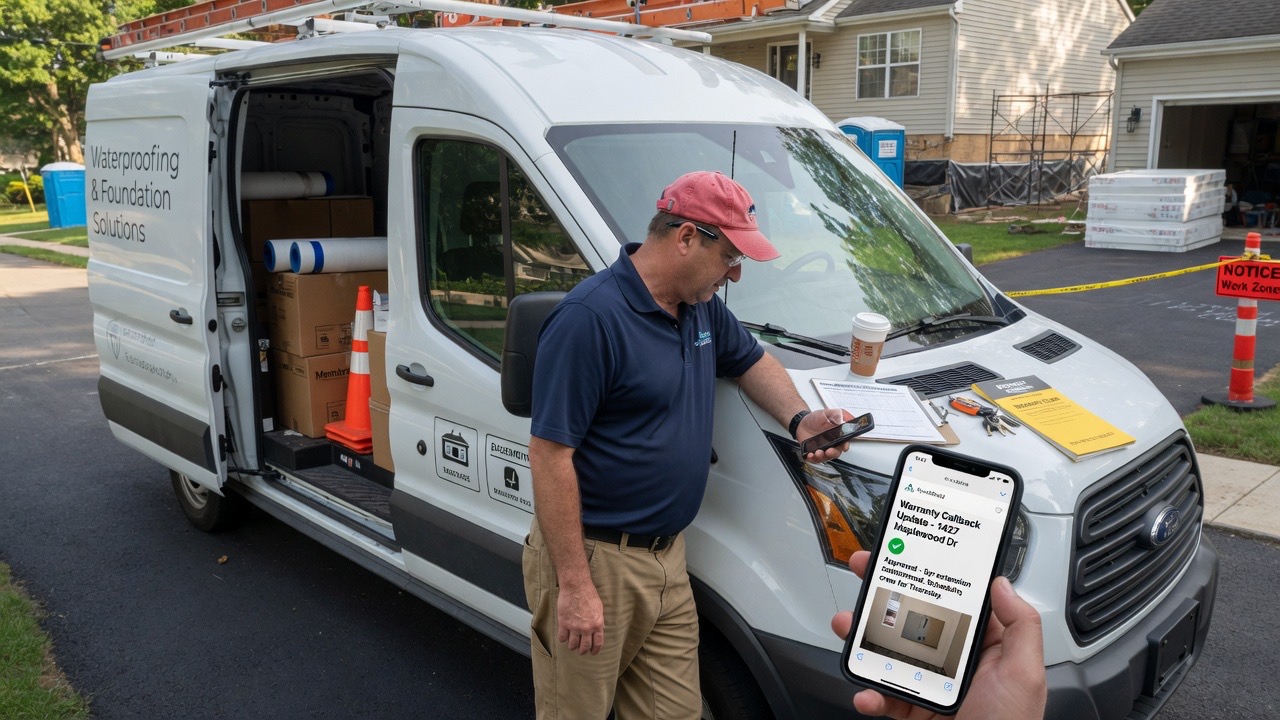
You log drying start date, daily reading cadence, equipment on site, and target dry-standard window. i10X drafts homeowner and adjuster milestone notices when log dates hit – so status updates leave the truck on the schedule you set instead of piling up as check-in calls during active mitigation.
Will it add equipment-day and demolition lines to my mitigation proposals?
You send field notes after loss intake: affected rooms, demolition scope, dehu and air mover count, monitoring cadence. i10X drafts a proposal in Google Docs with explicit lines for extraction, demolition, equipment days, drying monitoring, and contents handling so adjuster scope disputes are priced before mobilization, not argued after billing.
Does it turn field voice notes into draft claim packets for billing?
Lead tech voice notes and photo batches after demolition or daily monitoring rounds become draft claim packets in Google Docs – scope narrative, photo captions, equipment-day summary, and supplement flags for billing review. Field-to-billing handoff closes while the loss is still fresh, not weeks later from memory.
Can it separate emergency loss calls from drying status callbacks?
Active water loss intake gets a different script than homeowner drying-status questions or adjuster supplement threads. i10X routes each type per your rules – emergency losses book dispatch slots, status callbacks log for lead tech follow-up, supplement threads surface in your adjuster summary.
Does it sort TPA assignments from equipment rental and sub invoices?
TPA portal assignments, adjuster supplement threads, and equipment rental invoices often share one inbox. i10X labels new loss assignments, drafts intake replies with claim-number and loss-type questions, and surfaces adjuster documentation separately so you are not digging through vendor POs after a full day on extraction.
Try it on your next active loss
Connect your tools, skim a week of drafts and summaries, and decide whether the comms load is lighter.
Start free trial